
Introduction
Instrumental music is one of the purest forms of musical expression. Unlike songs that rely on lyrics or vocals, this form of music communicates emotions, moods, and stories entirely through musical instruments. From classical symphonies and film background scores to modern lo-fi beats and jazz improvisations, instrumental compositions play a powerful role in human culture and everyday life.
In this SEO-optimized blog post, you will learn what instrumental music is, its history, types, benefits, and why it remains popular worldwide.
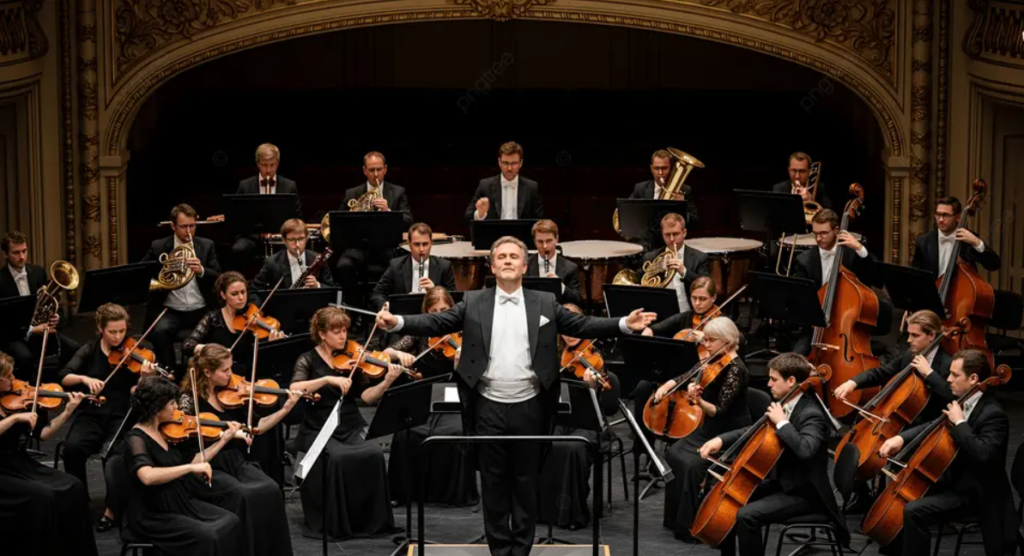
What Is Instrumental Music?
Instrumental music refers to music created using instruments without vocal singing or lyrical content. The melody, rhythm, harmony, and dynamics produced by instruments such as piano, guitar, violin, flute, drums, or electronic synthesizers become the main source of expression.
Instead of words, these musical performances rely on elements like tempo, tone, and arrangement to convey feelings such as happiness, sadness, suspense, relaxation, or excitement.
Simply put:
It tells a story through sound rather than lyrics.
History of Instrumental Music
Music performed without vocals dates back thousands of years. Ancient civilizations used drums, flutes, and string instruments in rituals and celebrations. During the Classical era, composers began creating complex orchestral works such as symphonies, concertos, and sonatas.
Over time, this musical style evolved into many genres including classical orchestras, jazz performances, film scores, electronic productions, and ambient soundscapes.
Today, instrumental tracks are widely used in movies, gaming, meditation, studying, and digital content creation.
Types of Instrumental Music
1. Classical Instrumental
Includes orchestral works, piano compositions, and symphonies known for structured arrangements.
2. Jazz Instrumental
Focused on improvisation and expressive performances using saxophone, piano, trumpet, and drums.
3. Film & Background Scores
Soundtracks created to enhance emotions in movies, TV shows, and video games.
4. Electronic & Ambient Instrumental
Modern styles created using synthesizers and digital production tools.
5. Acoustic Instrumental
Guitar, piano, or violin performances emphasizing natural sound and melody.
Benefits of Instrumental Music
Instrumental music is not only enjoyable but also beneficial for mental and emotional well-being.
- ✅ Improves concentration and focus
- ✅ Reduces stress and anxiety
- ✅ Enhances creativity
- ✅ Helps during studying and working
- ✅ Supports meditation and relaxation
Many listeners prefer music without lyrics because it avoids distractions while maintaining emotional depth.
Why Instrumental Music Is Popular Today
In the digital age, instrumental music has gained massive popularity on streaming platforms and social media. Content creators, students, and professionals often use background instrumentals because they help maintain productivity and mood balance.
Additionally, this genre crosses language barriers, making it universally understandable across cultures.
Conclusion
Instrumental music is a timeless art form that speaks directly through sound rather than words. Whether it is a soothing piano melody, an energetic guitar solo, or an epic orchestral score, this style of music connects people emotionally across generations.
As music continues to evolve, instrumental compositions remain essential for relaxation, storytelling, and creative expression — proving that powerful music does not always need lyrics to be meaningful.